It is 4:30 PM on a Friday. You receive a WhatsApp voice note from your biggest retainer client. The voice sounds slightly stressed, but the tone, pacing, and accent are unmistakably theirs.
“Hey, I’m stuck at an airport and my corporate card is blocked. Can you urgently pay this software vendor’s invoice for the project right now? I’ll add the ₹1.5 Lakhs to your monthly retainer on Monday. The account details are below.”
You want to be helpful, so you transfer the funds. On Monday, the real client has no idea what you are talking about. Your agency just lost ₹1.5 Lakhs to a deepfake voice clone, and there is absolutely zero chance of recovering the money from the bank.
In 2026, big cybersecurity blogs are warning Fortune 500 companies about deepfake threats. But the actual victims are small freelance agencies and B2B contractors who rely on fast, informal communication like WhatsApp.
Here is exactly how these hyper-targeted B2B phishing scams work, and the structural defenses you must build into your agency to stop them.
📌 Quick Summary: The Deepfake Payment Scam
- The Threat Vector: Scammers clone a client’s voice using 3 seconds of audio pulled from a LinkedIn video or podcast.
- The Delivery Method: The scam is delivered via a spoofed WhatsApp number or a compromised Slack account to exploit existing trust.
- The “Emergency Vendor” Trap: The fake client asks the agency to pay a third party urgently on their behalf.
- The Invoice Redirection Trap: Scammers impersonate the freelancer and send a voice note to the client, changing the receiving bank account details.
- The 3-Step Defense: Agencies must implement Safe Words, Dual-Channel Verification, and hard-coded Payment Whitelists in their contracts.
Trap 1: The “Emergency Vendor” Pivot
In a traditional B2B relationship, trust is high. Scammers exploit this by using a cloned voice note to bypass standard financial protocols. They usually invent a high-pressure, time-sensitive scenario (e.g., “the server will go offline if we don’t pay this immediately”) and ask you, the trusted freelancer, to float the cash to a third-party UPI or bank account.
The Fix
1.Implement the ‘Out-of-Pocket’ Ban:
Establish a strict internal agency policy that no employee or contractor is permitted to float out-of-pocket expenses for a client under any circumstances, regardless of the urgency.
2.Establish a Client ‘Safe Word’:
During onboarding, agree on a simple financial Safe Word with your client. If an urgent financial request is made via voice note or phone call, the client must use the Safe Word. If it is missing, the request is treated as hostile.
Trap 2: The Invoice Redirection (B2B Hijack)
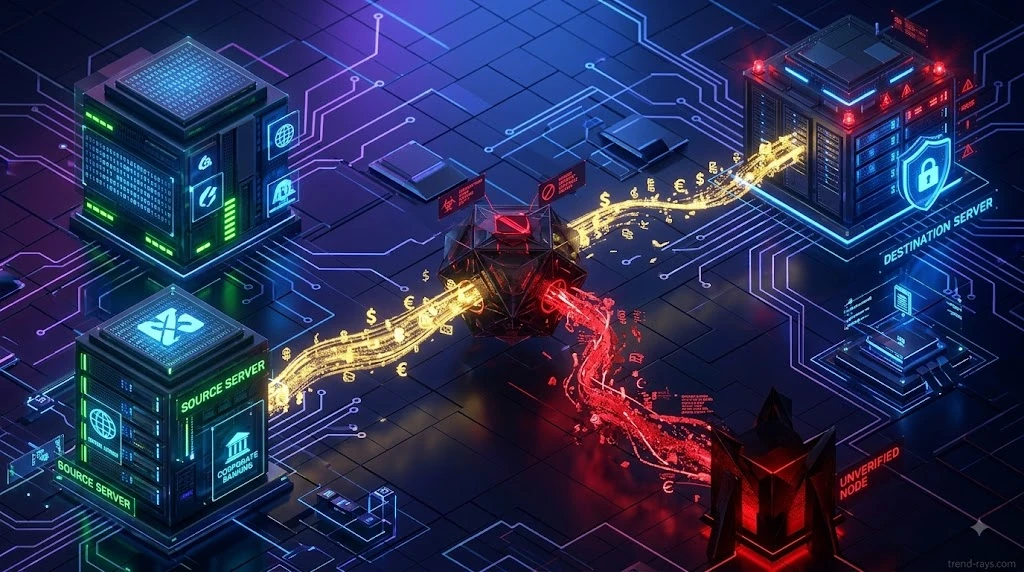
The scam works in reverse, too. Scammers will scrape your voice from a YouTube tutorial or an Instagram reel. They will then spoof your phone number and send a voice note to your client saying: “Hey, our primary current account is under audit. Can you route this month’s ₹2 Lakh retainer to our secondary account instead?” The client, hearing your exact voice, updates their billing system. You never get paid.
The Fix
1.Lock the Payment Gateway:
Stop sending raw bank account details over email or WhatsApp. Use a secure B2B invoicing platform (like Zoho Books or Stripe) where the payment destination is hard-coded into the payment link.
2.Enforce Dual-Channel Verification:
Instruct your clients that any request to change bank details must be verified across two separate channels. If a request comes via WhatsApp, it must be approved via a verified corporate email thread before any funds are moved.
To see how vulnerable your current agency communication flow is to these attacks, use this interactive risk calculator:
Deepfake Phishing Risk Calculator
Evaluate your agency’s vulnerability to AI voice cloning and B2B payment interception.
Threat Analysis:
Trap 3: The “Deepfake Video Call” Confirmation
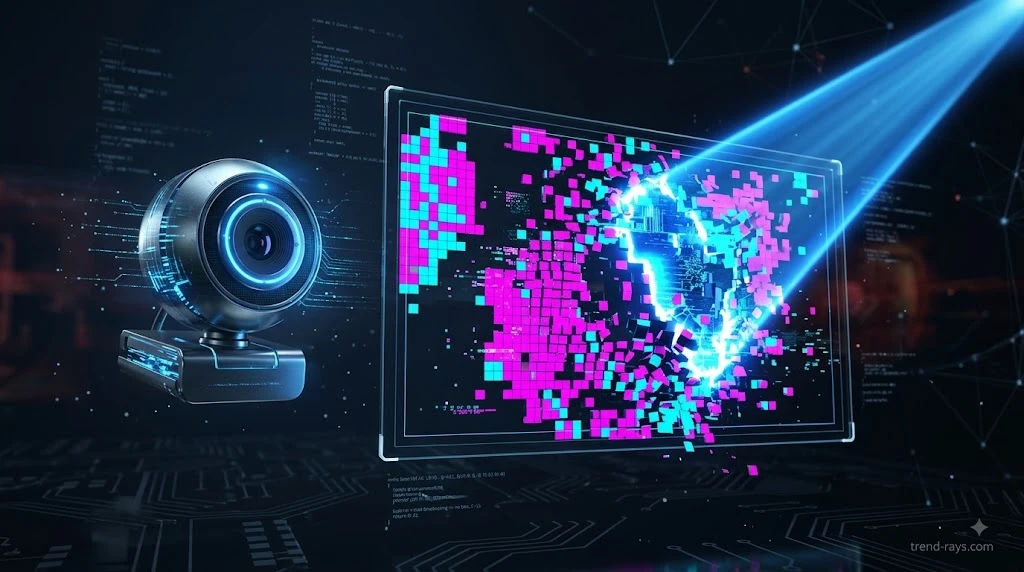
In 2026, savvy freelancers know to be suspicious of voice notes, so they reply: “Can we jump on a quick video call to confirm this?” The scammer agrees. They join a WhatsApp video call for 5 seconds using real-time deepfake software (like FaceSwap or Wav2Lip). The video looks slightly blurry, the client nods, says “Yes, please pay it,” and then immediately disconnects, blaming a “bad 5G signal.”
The Fix
1.Execute the ‘Liveness’ Request:
Real-time deepfake software struggles with profile angles and physical occlusion. On the video call, ask the client to turn their head 90 degrees to the side, or pass their hand directly in front of their face.
2.Look for Artifacting:
If the caller is using a live deepfake, passing a hand over their face will cause the AI render to glitch, tear, or momentarily reveal the scammer’s actual face underneath. If they refuse to do it, hang up and freeze all project assets.
🎁 Bonus: The “Communication & Payment Whitelist” Contract Clause
To protect your agency legally from a client who accidentally pays a scammer impersonating you, you must establish strict communication boundaries. Copy and paste this clause into your Master Service Agreement (MSA):
Authorized Payment & Communication Whitelist
“The Client acknowledges that all official invoices, payment details, and requests for financial routing changes will strictly be transmitted via the Agency’s verified corporate email domain [yourname@youragency.com] or secure invoicing portal. The Agency will never request bank account changes, emergency vendor payments, or cryptocurrency transfers via WhatsApp, SMS, voice notes, or informal messaging channels. The Client agrees that any funds transferred based on requests outside of these whitelisted channels are done entirely at the Client’s own financial risk.”
Frequently Asked Questions (FAQ)
Can WhatsApp detect deepfake voice notes?
Currently, no. WhatsApp provides end-to-end encryption, which protects the message in transit, but it does not analyze the audio file itself for AI generation. If a scammer spoofs a number or hacks a legitimate account, the voice note will appear exactly like a normal message.
How much audio is required to clone a voice perfectly?
In 2026, advanced AI models (like ElevenLabs or similar open-source variants) require as little as 3 to 5 seconds of clear audio to create a highly convincing voice clone. If you or your client have a single reel on Instagram or a public LinkedIn video, your voice is vulnerable to cloning.
If I fall for a deepfake B2B scam, will my bank refund the money?
Almost never. Because you (the agency owner) explicitly authorized the transfer of funds from your account to the scammer’s account, banks classify this as an “Authorized Push Payment” (APP) fraud. The bank’s security was not breached; human psychology was. Therefore, the financial liability falls entirely on you.