
The Operational Cost of Manual Essential Eight Audits
Relying on point-in-time assessments for ACSC Essential Eight compliance introduces an unacceptable level of operational risk. Manual audits, typically executed via complex spreadsheets and fragmented asset registers, suffer from configuration drift within 48 hours of completion. An endpoint patched on Tuesday can fall out of compliance by Thursday due to a zero-day vulnerability or an unauthorized registry modification.
For entities bound by mandates like the Protective Security Policy Framework (PSPF) requiring strict adherence to Maturity Level 2 or 3, manual reporting is no longer viable. The sheer volume of telemetry generated across hybrid cloud environments, BYOD policies, and federated identity systems requires programmatic oversight. Failing to automate evidence collection inevitably leads to audit failure, cyber insurance premium hikes, and severe legal liability in the event of a breach.
Core Automation: Integrating Compliance SaaS with Existing Infrastructure
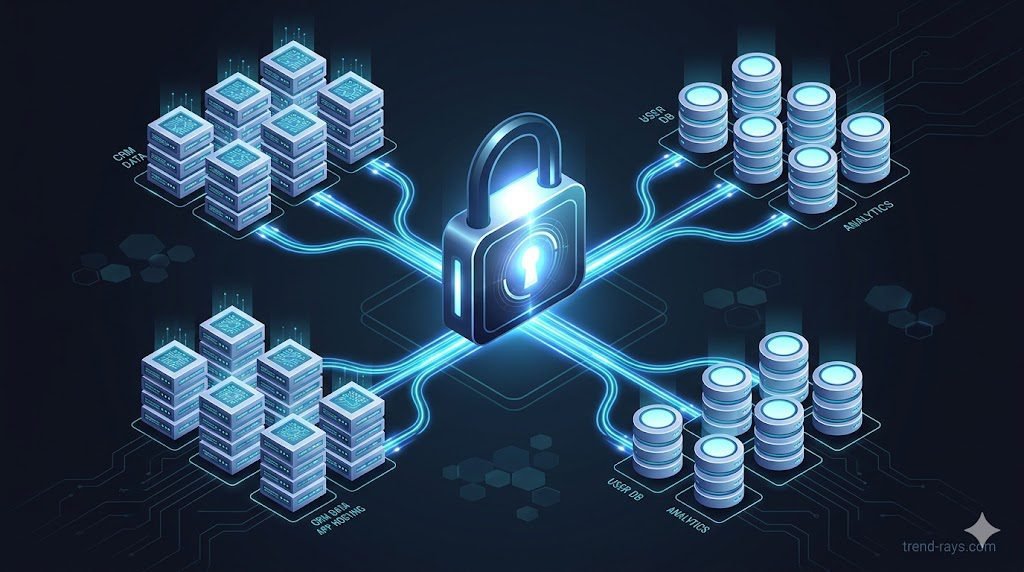
Modern compliance automation platforms (such as Drata, Vanta, or specialized GRC tools) function as central nervous systems for security telemetry. They bypass manual evidence gathering by hooking directly into your existing infrastructure via read-only APIs.
Identity & Device Management Integration
To achieve continuous compliance, the platform must ingest state data directly from your Mobile Device Management (MDM) and Identity Access Management (IAM) solutions.
- Microsoft Intune & Jamf: Automation tools query these platforms continuously to verify that BitLocker/FileVault is enabled, screensaver timeouts are enforced, and unauthorized applications are blocked.
- Entra ID & Okta: The system monitors user provisioning, validates that phishing-resistant MFA is universally enforced, and detects inactive administrative accounts.
Log Ingestion and SIEM Routing
Compliance is not just about configuration; it requires behavioral monitoring. Pushing compliance telemetry into a Security Information and Event Management (SIEM) tool like Splunk is critical. By utilizing specialized data models (like the Deloitte Splunk App for Essential Eight), security teams can correlate configuration drift alerts directly with active threat hunting, transforming static compliance into proactive defense.
Automating the 8 Mitigation Strategies in Real-Time
To eliminate manual overhead, the 8 controls must be mapped to automated event triggers and continuous API polling.
Access & Identity Automation
- Restrict Administrative Privileges: Automation tools continuously scan IAM roles to flag accounts with excessive privileges or missing Just-In-Time (JIT) access controls.
- Multi-Factor Authentication (MFA): Systems validate that FIDO2/WebAuthn standard MFA is applied not just to cloud apps, but to VPNs, RDP sessions, and SSH gateways.
Application & OS Lifecycle Management
- Patch Applications & OS: Integrating compliance tools with vulnerability scanners (like Tenable or Qualys) automates the tracking of the 48-hour patching SLA required for “extreme risk” CVEs.
- Application Control: Instead of manual whitelisting, automation software monitors endpoint logs to detect and flag any execution of unauthorized binaries, scripts, or installers outside of approved directories.
Data Protection & Hardening
- Regular Backups: APIs connect directly to Veeam, Rubrik, or AWS Backup to verify daily backup success, test restoration capabilities, and confirm that backups are isolated from network environments.
- User Application Hardening: Automated scripts continuously check group policies and registry keys to ensure web browsers block malicious extensions and Microsoft Office is restricted from executing OLE packages or unverified macros.
Continuous Maturity Scoring vs. Point-in-Time Auditing
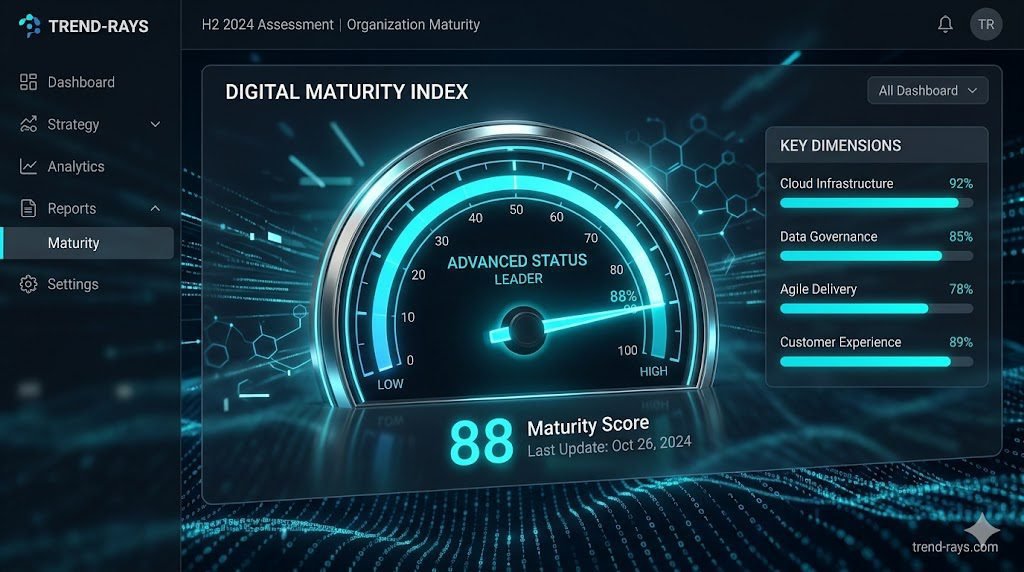
Transitioning to automated compliance software shifts an organization from static auditing to continuous maturity scoring.
Through continuous API polling, these platforms provide a real-time dashboard of your current Maturity Level (0-3). If a developer spins up an AWS S3 bucket without proper encryption, or an endpoint drops a critical patch, the system immediately flags the configuration drift. More advanced agent-based or API-driven platforms go beyond alerting—they trigger automated remediation playbooks via Webhooks or native SOAR (Security Orchestration, Automation, and Response) integrations to enforce compliance before an auditor even requests a report.
Vendor Evaluation: Procurement Checklist for Essential 8 Software
When evaluating compliance SaaS for enterprise deployment, IT procurement teams must assess the architectural approach of the vendor.
| Feature / Architecture | Evaluation Criteria |
| Agent vs. Agentless | Assess whether the tool requires deploying lightweight endpoint agents (giving deeper OS-level visibility) or relies entirely on cloud API integrations (lower friction, but potential visibility gaps on-premise). |
| Third-Party Risk (TPRM) | The platform must include workflows to assess the supply chain, dispatching automated security questionnaires to external vendors. |
| Evidence Centralization | Ensure the software provides a unified “Trust Center” or auditor portal, allowing external assessors to export time-stamped logs and SOC2/E8 reports dynamically. |
ROI and Deployment Timelines
The business case for compliance automation is straightforward mathematics. A traditional enterprise spends hundreds of highly paid engineering and risk-management hours per quarter manually cross-referencing Intune logs, Azure configurations, and backup reports.
An automated SaaS platform typically requires a 4-to-6-week deployment pipeline—focusing primarily on API key generation and policy mapping. Once operational, it reduces the manual labor of audit preparation by up to 80%. The ROI is realized not just in labor savings, but in the rapid acceleration of sales cycles when enterprise prospects demand real-time proof of security posture.