Watching ads and doing micro-tasks is great for pocket money, but if you want to earn real income online (₹1,000 to ₹2,500 an hour), you need to step up to B2B User Experience (UX) testing.
Website testing is a legitimate, remote freelance skill that requires absolutely zero coding knowledge. You do not need an IT degree. You just need a smartphone or laptop, a decent microphone, and the ability to speak your thoughts clearly in English. These enterprise platforms pay testers globally in USD, making it one of the most lucrative zero-investment side hustles available in India today.
What is Website Testing & Why Do Tech Companies Pay You?
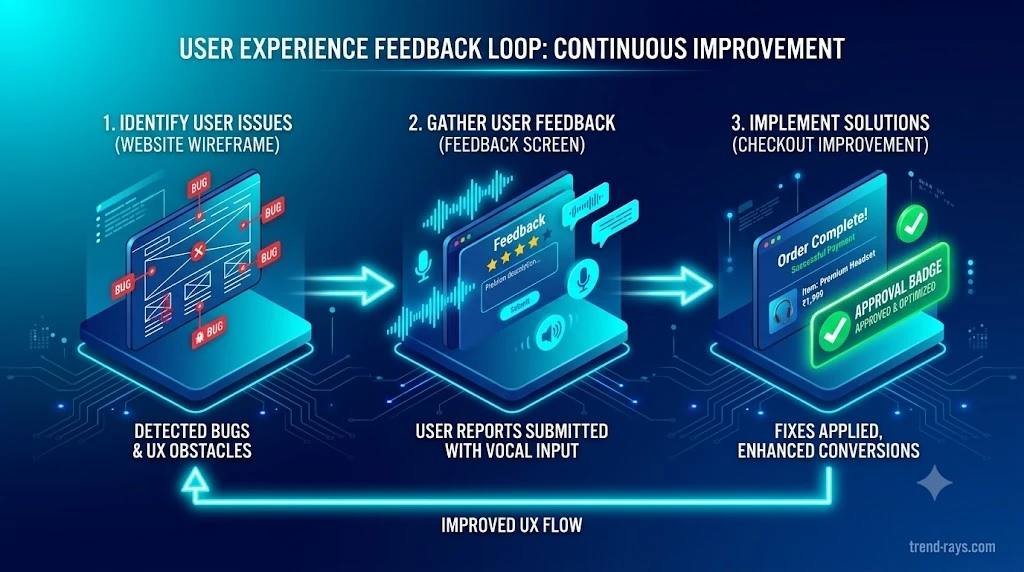
A common fear among beginners is that getting paid $10 just to look at a website is “too good to be true.” To understand why it is real, you have to understand the business economics of UX (User Experience) Testing.
Companies record your screen and your voice as you navigate their new, unreleased website. They want to see if a normal person finds their menus confusing or their checkout process frustrating.
The Business Logic: Imagine an e-commerce giant changes the color and location of its “Buy Now” button. If that new design confuses customers, the company could lose millions of dollars in abandoned shopping carts on launch day. Paying an Indian tester $10 to find that confusion before the website goes live is a massive bargain for them. You are being paid for your fresh perspective, not your technical skills.
Usability Testing vs. Bug Hunting (What’s the Difference?)
Before you sign up for platforms, you need to understand which type of testing fits your skills. Most people confuse the two.
- Usability Testing (No IT Skills Needed): You are paid for your opinion and behavior. You will be given a task like, “Try to find the refund policy.” You speak out loud as you search. If you can’t find it, you say, “I am looking at the footer, but I don’t see the refund policy.” That is a successful test.
- Bug Hunting / QA (Tech Savvy): You are paid to try and break the app. This is more technical. You get paid for finding glitches, like “When I turn my Android horizontally on the payment page, the app crashes.”
Top 10 Website & App Testing Platforms Available in India
Here are the best platforms currently accepting Indian testers, categorized by testing type.
The “Usability” Giants (Best for Beginners)
1. UserTesting
- The undisputed global giant of UX testing. They accept Indian testers, but you must pass a strict English audio test.
- Payout: $10 per 20-minute screen-recorded test. Paid exactly 7 days later via PayPal.
2. Trymata (Formerly TryMyUI)
- Focuses heavily on how a website “feels.” They have a strict grading system; if your feedback isn’t detailed, clients can reject your test.
- Payout: $10 per test (usually takes 15-20 minutes). Payouts are processed every Friday via PayPal.
3. Userfeel
- Excellent for beginners because it doesn’t require you to instantly claim tests the second they appear (unlike UserTesting).
- Payout: $3 for 5-minute tests, up to $30 for longer, complex tests.
4. Userlytics
- Known for heavy mobile app testing. Note: Userlytics sometimes requires you to have your webcam on so clients can see your facial expressions when you get confused.
- Payout: Ranges from $5 to $20 depending on the project scope.
The “Bug Hunting” Networks (Best for Finding Glitches)
5. uTest (by Applause)
- The largest global QA network. Instead of just throwing you into tests, they offer the free “uTest Academy” to train you from a complete beginner into a highly-rated tester.
- Payout: Varies heavily by project complexity. Paid via Payoneer or PayPal.
6. Tester Work
- Excellent if you own multiple devices (e.g., an Android phone and an iPad). You get paid for every verified bug you find on unreleased apps before they hit the Play Store.
- Payout: Paid per bug found, or a fixed amount for executing a test case.
7. Testbirds
- A European platform heavily recruiting in India for global app launches.
- Payout: Averages €20 per regular usability test, plus extra bonuses for finding critical bugs.
8. Test IO
- A high-reward platform for finding critical system failures.
- Payout: You can earn up to $50 for discovering a major issue (like a payment gateway failure).
The “Freelancing” Marketplaces (Building Your Career)
9. Upwork (QA Niche)
- Don’t just wait for tests—offer your services. Create an Upwork profile offering “Manual Website Testing” to international clients directly.
10. Fiverr
- Create a specific gig that says, “I will review your website UI/UX and record a 15-minute video feedback.” Small Shopify store owners constantly buy these gigs to see why their stores aren’t making sales.
The Freelancing Angle: Turning Testing into a Career
Platforms like UserTesting and uTest are incredible training grounds, but they are just the beginning.
Once you spend a few months on these platforms and learn how to articulate high-quality feedback, you can transition into independent freelancing. By moving to Upwork or Fiverr, you stop waiting for $10 tasks to appear and start setting your own hourly rate ($15 to $25/hr), working directly with app developers and digital marketing agencies.
How to Pass the Dreaded “Screening Test” (Don’t Skip This!)
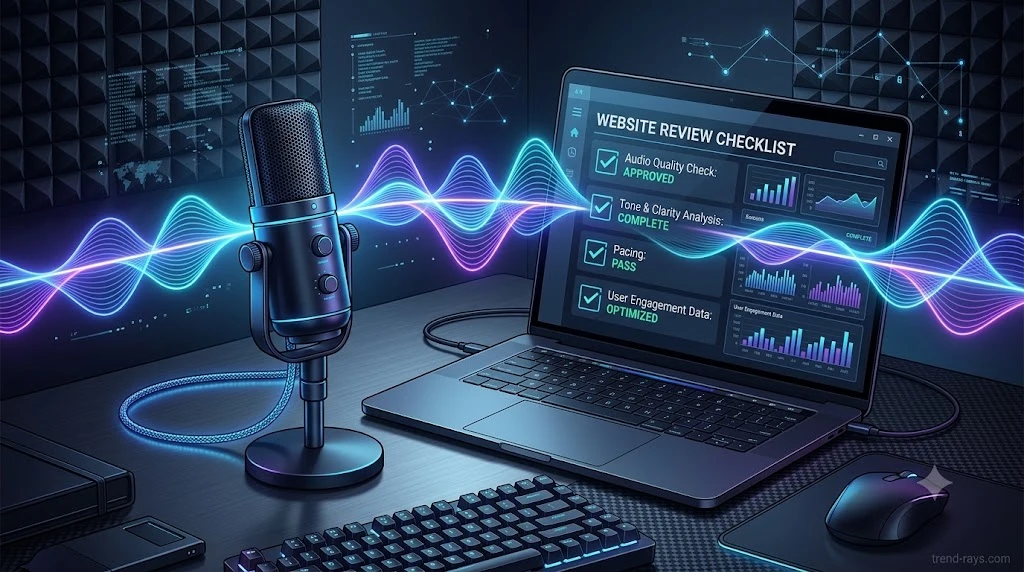
Every usability platform requires you to complete a 5-minute unpaid practice test before you are accepted. Most beginners fail this test. Here is exactly how to pass it on your first try:
- Speak Your Thoughts, Not Your Actions: Do not just narrate what you are doing. Don’t say, “I am clicking the red button.” Say, “I am clicking the red button because I assume it takes me to the pricing page, but the text is a bit small and hard to read.” Companies are paying for your thoughts.
- Audio Quality is King: Background noise is an automatic rejection. No ceiling fans, no traffic noise, no family talking in the background. Use a dedicated earphone microphone in a quiet room.
- Don’t Flatter the Client: If a website is ugly or confusing, say so! Testers constantly get rejected for just saying, “Nice website, very good design.” That provides zero value to the developer.
The Reality of “Screeners” & Realistic Earning Expectations
Before you quit your day job, you need to understand how the UX testing industry actually distributes work. This is a side hustle, not a full-time salary.
You will not receive an endless supply of $10 tests. Tests are sent to you based on your demographic profile (age, location, job title, income). When a test appears on your dashboard, you will first have to take a “Screener”—a short, unpaid 3-question survey to see if you match the client’s needs.
- The Screener Reality: If a client is looking for a “30-year-old software engineer who uses AWS,” and you are a 20-year-old college student, you will be screened out. Expect to be screened out of 70% to 80% of the tests you click on. This is completely normal and happens to everyone.
How Much Can You Actually Earn in India?
While a standard unmoderated test pays $10 (approx. ₹840) for 20 minutes, test availability in India is lower than in the USA.
- Active Testers: If you keep your browser tab open and actively catch tests, realistically, you might qualify for 2 to 5 tests a week.
- Monthly Income: This translates to a genuine side income of ₹5,000 to ₹15,000 per month.
The Golden Ticket (Live Interviews): Occasionally, you will receive invitations for “Live Moderated Interviews.” Instead of recording your screen alone, you get on a Zoom call with the client’s design team. These are rarer but highly lucrative, paying between $30 to $120 (₹2,500 to ₹10,000) for a 1-hour conversation. Always accept these immediately if you qualify.
Hardware, Software & International Payments
To succeed in this industry, you need the right setup and a legal way to receive USD in India.
- The Hardware: You need a PC/Laptop (Windows or Mac) AND a smartphone. The more devices you have, the more demographic screeners you will pass.
- The Payment Gateway: You cannot use Paytm or UPI for global platforms. A Verified PayPal Account or Payoneer account is 100% mandatory.
- Taxes & FEMA: Receiving USD into India for freelance services is perfectly legal. PayPal automatically handles the FIRC (Foreign Inward Remittance Certificate), converts the USD to INR (taking a small conversion fee), and deposits it into your local bank. You must declare this as freelance income during your annual ITR filing.
Frequently Asked Questions (FAQ)
Do I need to know Python, Java, or HTML to test websites?
No. Manual usability testing requires absolutely zero coding knowledge. You are being paid to act like a normal, everyday consumer.
Is my English good enough for UserTesting?
Yes, as long as you can speak clearly and confidently. They want natural, conversational English so they can understand your feedback. You do not need perfect grammar.
Why do I keep getting “Screened Out” of tests?
Tests are heavily based on demographics. If a client wants a 40-year-old doctor to test a medical app, and you are a 20-year-old student, you will be screened out. Always be 100% honest on screener questions; if you lie and the client catches you during the video, you will be banned.