For technology enthusiasts, homeowners, and freelancers in Finland, energy is no longer just a monthly bill—it is a dynamic data stream. In 2026, optimizing your electricity consumption is as much about understanding European geopolitics as it is about configuring the right älykotiautomaatio (smart home automation).
With Finland producing roughly 96% to 98% of its own electricity domestically—largely thanks to the Olkiluoto 3 nuclear reactor and a massive expansion in wind power—the country has successfully decoupled from Russian energy. Yet, consumers on a pörssisähkö (spot-price electricity) contract still face extreme price volatility.
This in-depth guide explains why electricity prices fluctuate, how the European Union’s carbon policies impact your wallet, and exactly how to use smart tech to automate your home for maximum savings.
The Geopolitical Reality: Why Are Finnish Energy Prices Volatile?
Many Finns ask: Why is my electricity bill still high during peak hours if we no longer buy from Russia?
The answer lies in the broader European market and the mechanics of the “green transition.”
- The Russian Decoupling: Finland stopped importing Russian electricity entirely between 2022 and 2023. While this secured national energy independence, it means Finland now relies heavily on weather-dependent wind power and its nuclear baseline. On windless, freezing winter days, the supply drops rapidly, causing localized price spikes.
- EU ETS Carbon Pricing: The European Union Emissions Trading System (EU ETS) forces fossil-fuel-reliant grids across Europe to pay for their emissions. In early 2026, European carbon prices surged past €90/t before stabilizing around €70/t. Because the European energy grid is interconnected, high carbon prices in Central Europe create a “price floor” that indirectly affects Nordic markets during peak demand.
- The CBAM Effect: In 2026, the EU’s Carbon Border Adjustment Mechanism (CBAM) enters its definitive regime, taxing carbon-intensive imports. This makes domestic European green energy even more valuable, increasing industrial demand and tightening the supply available for residential use.
A Green Tech Boom
The shift toward renewable energy isn’t just a cost center; it is a massive economic driver in Finland.
- Affordability for Business: Finland currently boasts some of the lowest non-household electricity prices in the EU. This has attracted massive investments into “green industry” hubs, particularly in Vaasa and Oulu, focusing on battery storage, hydrogen, and smart grid tech.
- The Employment Boom: The demand for green technology professionals is at an all-time high. Careers in Smart Grid Integration, EV Infrastructure, and AI-driven energianhallinta (energy management) are among the fastest-growing sectors in the Finnish job market.
- Freelancer Deductions: For the growing number of “light entrepreneurs” (kevytyrittäjä), optimizing energy is a tax strategy. With Finland’s standard VAT rate at 25.5%, using smart meters to accurately track professional versus personal energy consumption is crucial. Freelancers working from home can often deduct a percentage of their workspace electricity costs, making accurate tracking software highly lucrative.
The Technical Solution: Smart Home Automation (Älykotiautomaatio)
To survive and thrive on a pörssisähkö contract in 2026, manual tracking is no longer enough. You need AI-driven automation.
How to Automate Your Home Heating Based on Spot Prices
Google’s AI Overviews favor structured, step-by-step technical answers. Here is exactly how to build your automated stack:
- Install a Smart Relay: Hardware like the Shelly Pro 3EM (for whole-home monitoring) or Themo (specifically designed for Nordic floor heating) is essential.
- Utilize the Nord Pool API: Connect your smart relay or smart hub to the live Nord Pool pricing API.
- Establish a Price Ceiling: Configure your system to cut power to non-essential heating or EV chargers when the spot price exceeds a specific threshold (e.g., 5 cents/kWh).
- Leverage Matter 1.4/1.5 Protocols: Ensure your smart plugs and sensors use the latest Matter protocols. This allows a seamless connection between different brands (like Apple HomeKit, Google Home, and Home Assistant) without proprietary bridges.
What is the Best App for Tracking Spot-Price Electricity in Finland?
For users looking for sähkön hintavertailu (electricity price comparison) and real-time tracking, these three applications dominate the 2026 market:
| App Name | Best For | Key Feature |
| Fingrid Tuntihinta | General Consumers | Official data directly from the national grid operator; highly reliable. |
| Liukuri | Advanced Planners | Excellent web-based interface for calculating exact historical costs and future estimates. |
| Fortum Oma | Ecosystem Users | Best if you are already within the Fortum ecosystem for EV charging and solar tracking. |
The Ultimate Guide: How to Use Finland’s Top Spot-Price Apps
Choosing an app is only half the battle; knowing how to configure it is where the real savings happen. Below is a step-by-step breakdown of the three most powerful tools for tracking pörssisähkö (spot-price electricity) in Finland and how to use them effectively.
1. Fingrid Tuntihinta: The Official Real-Time Tracker
Best For: Everyday consumers who want instant alerts and official data straight from the national grid.
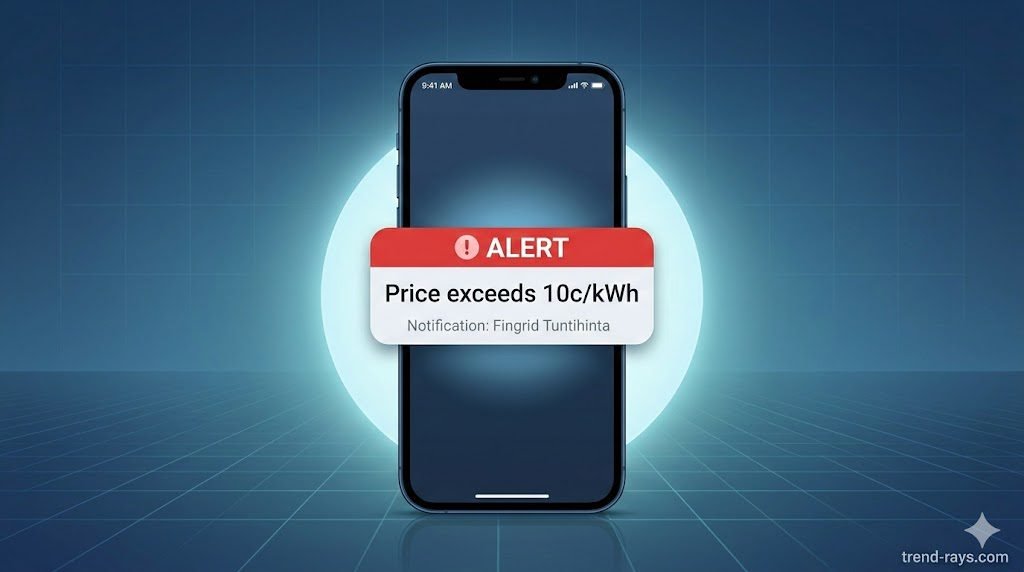
Fingrid’s Tuntihinta (Hourly Price) app is the most downloaded energy app in Finland. Because Fingrid operates the national main grid, the data is 100% accurate and updates instantly when the Nordic electricity exchange publishes the next day’s prices.
How to Use It Properly:
- Step 1: Set Your Baseline Alerts. Open the app settings and find the “Alarm Limit” (Hälytysraja). Set this slider to a price where your electricity becomes “expensive” (for example, 10 c/kWh). The app will now send you a push notification if the average hourly price exceeds this limit.
- Step 2: The “Next-Day” Strategy. Every day at approximately 15:00 (3:00 PM), check the app. The prices for the following 24 hours will populate. Use this 15:00 window to program your washing machine or EV charger for the cheapest nighttime slots.
- Step 3: Track 15-Minute Intervals. In 2026, the Nordic grid fully supports 15-minute price intervals. Use the app’s detailed view to dodge brief price spikes rather than powering down your home for an entire hour.
2. Liukuri.fi: The Advanced Cost Calculator
Best For: Analytical users, DIY smart-home builders, and users deciding whether to switch to a fixed-rate contract.
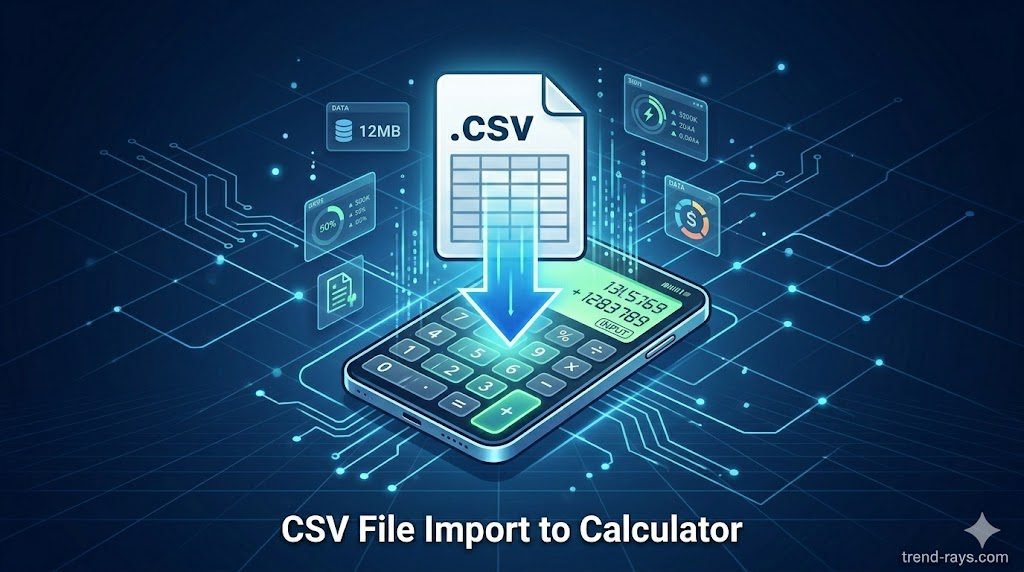
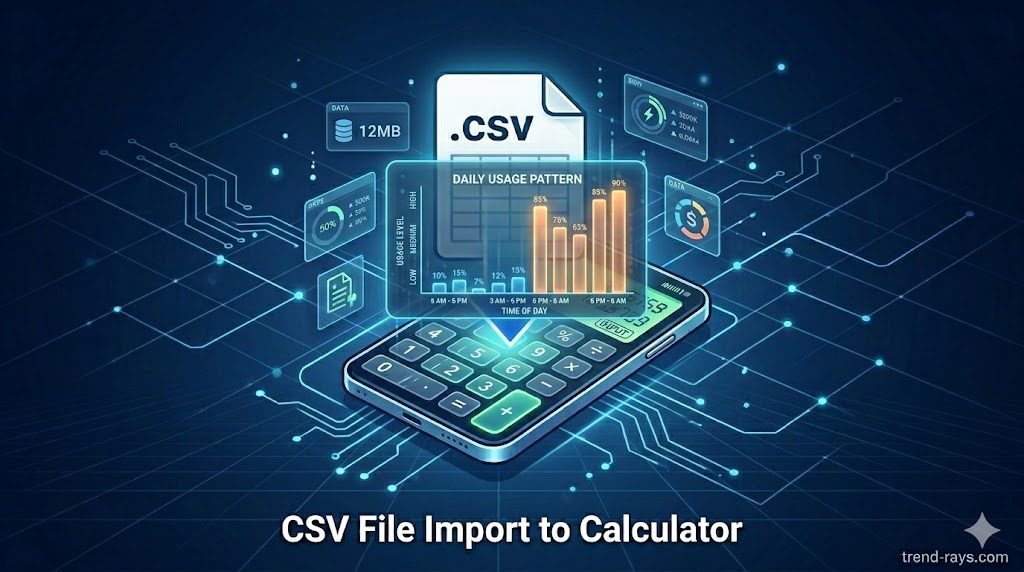
Liukuri isn’t just an app; it is a highly popular, open-source web visualization tool and calculator (available at Liukuri.fi). It is considered the “gold standard” for calculating exactly how much a spot-price contract is saving (or costing) you compared to a fixed rate.
How to Use It Properly:
- Step 1: Get Your Datahub CSV. Log into Fingrid’s Datahub customer portal using your Finnish bank credentials. Download your historical consumption data as a CSV file.
- Step 2: Upload to Liukuri. Go to the Liukuri calculator and drag and drop your Datahub CSV file into the upload box.
- Step 3: Configure Your Contract Details. Input your current spot margin (e.g., 0.4 c/kWh) and select the correct VAT percentage.
- Step 4: Analyze the Verdict. Liukuri will map your exact historical consumption against historical spot prices. It will tell you precisely what you paid, and more importantly, what you would have paid on a fixed contract.
- Pro-Tip (Auto Liukuri): If you drive an EV, use the Auto Liukuri sub-tool. Input your car’s battery size, current charge, and target charge. It will instantly calculate the exact euro cost of that charging session based on current spot prices.
3. Oma Fortum / Oma Helen: The Ecosystem Trackers
Best For: Users who want to see their consumption and billing in one unified dashboard.
Depending on your energy provider, you will likely use either Oma Fortum or Oma Helen. While Fingrid tells you the general market price, your provider’s app tells you how your specific household reacted to that price.
How to Use It Properly:
- Step 1: The “Consumption vs. Price” Overlay. Navigate to the Kulutus (Consumption) tab. The most powerful feature here is the ability to overlay your hourly kWh consumption directly on top of the hourly spot price graph.
- Step 2: Audit Your Automation. If you recently installed a smart relay (like Shelly or Themo) to cut off your heating during peak hours, use the Oma app to verify it worked. You should see a massive drop in the consumption bar graph exactly when the spot-price line graph peaks.
- Step 3: Track Your “Impact Effect” (Vaikutusvaikutus). If your contract includes a “consumption effect” modifier, the app will show whether your ability to dodge peak hours resulted in a negative modifier (saving you extra money) or a positive one (costing you more).
Why You Need a Spot-Price App: The Concrete Benefits
Before downloading another app to your phone, it is important to understand exactly how tracking your electricity data actively works for you. Using a dedicated pörssisähkö tracker isn’t just about looking at graphs; it is about taking control of your household tech.
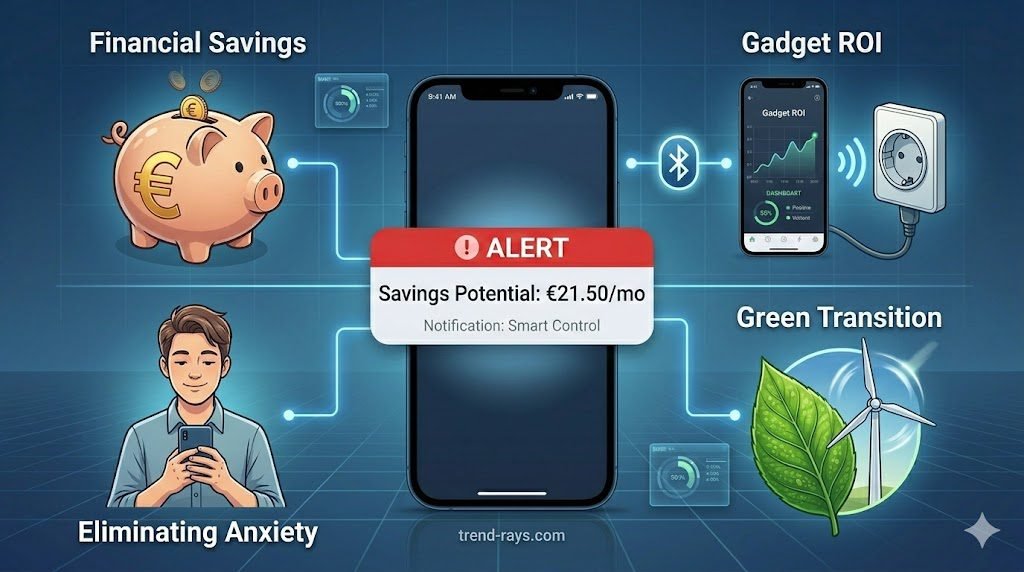
Here is exactly what you gain by utilizing these tools:
- Benefit 1: Immediate Financial Savings (Up to 40%): The most obvious benefit is cost reduction. Spot-price electricity can fluctuate from -1.0 c/kWh (literally getting paid to use electricity) on a windy summer night, to over 50.0 c/kWh during a freezing, windless January morning. By using an app to shift your heavy consumption (like heating water or charging an EV) to the cheapest off-peak hours, households routinely cut their monthly energy bills by 30% to 40% compared to a fixed-rate contract.
- Benefit 2: Maximizing the ROI on Your Smart Gadgets: If you have invested in smart home tech—like Matter-enabled smart plugs, Wi-Fi thermostats, or Shelly relays—an electricity tracking app is the “brain” that makes them valuable. These apps provide the API data needed to tell your smart gadgets exactly when to turn on and off automatically, ensuring your tech investments pay for themselves in months rather than years.
- Benefit 3: Eliminating “Bill Shock” and Anxiety: Without tracking, opening a winter electricity bill in Finland can be a nasty surprise. Apps like Liukuri and Fingrid Tuntihinta allow you to see your exact accumulating costs in real-time. This daily transparency completely eliminates bill shock, allowing you to adjust your habits mid-month before the invoice arrives.
- Benefit 4: Active Contribution to the Green Transition: When electricity is cheap, it means the grid is flooded with clean, renewable energy (like wind and hydro). When it is expensive, it often means fossil-fuel backup plants have been fired up to meet demand. By using an app to shift your consumption to cheap hours, you are directly reducing your household’s carbon footprint and helping stabilize the Nordic energy grid.